

 English
























Fintechasia .net telekom: Powerful Amazing Guide 2026

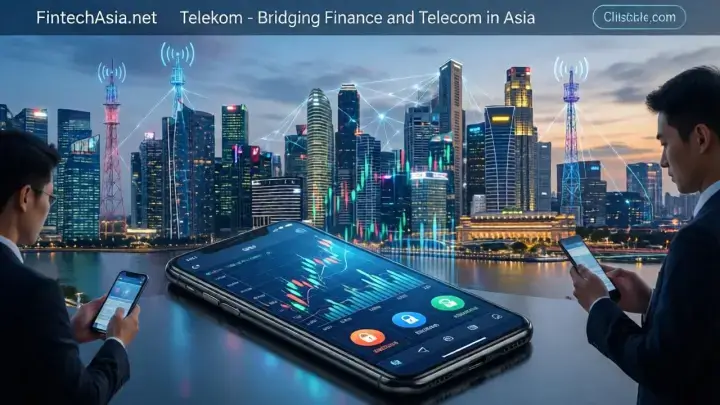
The global digital economy is rapidly evolving, and industries that once operated separately are now becoming deeply interconnected. One of the most significant developments in this space is the integration of financial technology with telecommunications infrastructure. Platforms like fintechasia .net telekom represent this shift, where financial systems and telecom networks work together to deliver faster, more accessible, and more efficient digital services.
In today’s world, where mobile connectivity and digital transactions dominate everyday life, the relationship between fintech and telecom is no longer optional. It has become a foundation for economic growth, digital inclusion, and innovation across emerging and developed markets. Fintechasia .net telekom stands as a concept and platform that highlights this convergence and its growing importance.
The Growing Connection Between Fintech and Telecom
Traditionally, financial services and telecommunications operated in separate domains. Banks handled money, while telecom companies managed communication networks. However, the rise of smartphones and mobile internet changed everything. Suddenly, financial transactions could be performed through mobile devices, and telecom companies became key enablers of financial access.
Fintechasia .net telekom reflects this transformation by focusing on how telecom infrastructure supports fintech solutions. Mobile banking, digital wallets, online payments, and cross-border transfers all depend heavily on stable and widespread telecom networks. Without connectivity, fintech cannot function effectively.
This integration has been especially powerful in regions where traditional banking systems are limited. Telecom companies have helped bridge the gap by enabling mobile-based financial services, allowing millions of people to participate in the digital economy for the first time.
How Fintechasia .net Telekom Fits Into the Digital Ecosystem
Fintechasia .net telekom can be understood as a representation of how financial technology platforms are increasingly relying on telecom systems to deliver services. It highlights a digital ecosystem where connectivity and finance work together seamlessly.
In this ecosystem, telecom companies are not just service providers; they are active participants in financial innovation. They support mobile payment systems, digital identity verification, and real-time transaction processing. Fintech platforms, on the other hand, bring financial intelligence, automation, and user-friendly interfaces.
The collaboration between these two industries creates a powerful environment where users can access financial services instantly through mobile devices. This is particularly important in Asia, where mobile penetration is high and digital adoption is accelerating rapidly.
The Role of Mobile Technology in Financial Expansion
Mobile technology is the backbone of fintech and telecom integration. Smartphones have become the primary tool for accessing financial services, replacing traditional banking channels in many cases.
Fintechasia .net telekom highlights how mobile networks enable this transformation. With the help of 4G and 5G connectivity, financial transactions can now be processed in real time. Users can transfer money, pay bills, and manage investments directly from their mobile devices without visiting physical bank branches.
This shift has not only improved convenience but also increased financial inclusion. People in rural and underserved areas now have access to banking services through mobile networks, which were previously unavailable to them.
Digital Payments and the Rise of Cashless Economies
One of the most visible impacts of fintech and telecom integration is the rise of digital payments. Cashless transactions are becoming more common as consumers and businesses adopt mobile wallets and online payment systems.
Fintechasia.net telekom plays a role in this transformation by supporting the infrastructure required for secure and fast digital payments. Telecom networks ensure connectivity, while fintech platforms handle transaction processing and security.
This combination has led to the growth of cashless economies in many countries. Businesses now accept digital payments as a standard, and consumers prefer the convenience of mobile transactions over physical cash.
Security and Trust in Digital Financial Systems
As financial services move online, security becomes a critical concern. Users need to trust that their data and money are safe when using digital platforms. Fintechasia .net telekom addresses this challenge by emphasizing secure communication between fintech systems and telecom networks.
Telecom companies contribute by providing encrypted communication channels, while fintech platforms implement advanced security protocols such as multi-factor authentication and fraud detection systems.
Together, they create a secure environment where users can perform financial transactions with confidence. However, maintaining this trust requires continuous investment in cybersecurity and system monitoring.
Financial Inclusion Through Telecom Networks
One of the most important contributions of fintech and telecom integration is financial inclusion. Millions of people around the world still do not have access to traditional banking services. However, most of them do have access to mobile phones.
Fintechasia .net telekom demonstrates how mobile networks can be used to deliver financial services to underserved populations. Through simple mobile applications and SMS-based systems, users can open accounts, transfer money, and access credit services.
This has a major impact on economic development. When people gain access to financial tools, they are able to participate more actively in the economy, start businesses, and improve their living standards.
The Impact of 5G on Fintech Development
The introduction of 5G technology has further strengthened the relationship between fintech and telecom industries. Faster internet speeds and lower latency allow for more advanced financial applications.
Fintechasia.net telekom benefits from this development by enabling real-time data processing, instant payments, and improved user experiences. Technologies such as artificial intelligence, blockchain, and cloud computing also become more effective when supported by high-speed networks.
With 5G, financial services are expected to become even more seamless, allowing for innovations such as automated trading systems, smart contracts, and real-time financial analytics.
Challenges in Fintech and Telecom Integration
Despite its advantages, the integration of fintech and telecom systems is not without challenges. One of the main issues is regulatory compliance. Different countries have different laws governing financial services and telecommunications, making global integration complex.
Another challenge is infrastructure inequality. While urban areas may have access to advanced networks, rural regions may still face connectivity issues. This creates a digital divide that limits the full potential of fintech solutions.
There is also the issue of data privacy. As more personal and financial information is shared across digital platforms, protecting user data becomes increasingly important. Companies must ensure that they comply with strict privacy regulations and maintain transparency.
Innovation and the Future of Digital Finance
The future of fintechasia .net telekom lies in continuous innovation. As technology evolves, new opportunities will emerge for deeper integration between financial and telecom systems.
Artificial intelligence will play a major role in analyzing user behavior and improving financial services. Blockchain technology may enhance transparency and security in transactions. Meanwhile, cloud computing will enable scalable and flexible financial infrastructure.
These innovations will further strengthen the digital economy and make financial services more accessible and efficient.
Conclusion
Fintechasia .net telekom represents a powerful shift in how financial and telecom industries interact. By combining connectivity with financial technology, it creates a system that is faster, more inclusive, and more efficient than traditional models.
This integration is not just a technological advancement; it is a social and economic transformation. It enables financial inclusion, supports digital payments, and drives innovation across industries.
As digital adoption continues to grow, the collaboration between fintech and telecom will become even more important. Platforms like fintechasia.net telekom highlight the future of a connected world where financial services are accessible to everyone through mobile technology.
FAQs
What is fintechasia .net telekom?
It represents the integration of fintech services with telecom infrastructure to enable digital financial solutions.
How does telecom support fintech?
Telecom provides the connectivity and network infrastructure needed for mobile banking, payments, and digital transactions.
Why is fintech and telecom integration important?
It improves financial inclusion, enables faster transactions, and supports the growth of digital economies.
Is fintechasia .net telekom related to mobile banking?
Yes, mobile banking is one of the key applications of fintech and telecom integration.
What role does 5G play in fintech development?
5G improves speed, reduces latency, and enables advanced financial technologies like real-time processing and AI-driven services.
What are the challenges in this sector?
Key challenges include regulatory differences, data privacy concerns, and infrastructure inequality.
How does this integration help users?
It allows users to access financial services easily through mobile devices without relying on traditional banking systems.
For More Visits: Dailymagazine