

 English























Livcamrips 2026: Ultimate Powerful Guide for Success

In the fast-moving digital world, new terms and trends appear almost daily, often leaving people confused about what they actually mean and how they relate to real online activity. One such term that has started appearing in various online discussions is “livcamrips.” At first glance, it may seem like a technical or niche keyword, but its growing presence suggests that it holds some level of importance in specific corners of the internet.
This article takes a deep dive into livcamrips, explaining its meaning, context, possible applications, and the broader implications associated with it. The goal is to provide a clear, human-written explanation that feels natural, informative, and genuinely useful for readers who want to understand this term without unnecessary complexity.
What Does Livcamrips Mean?
The term “livcamrips” appears to be a combination of three distinct elements: “live,” “cam,” and “rips.” When broken down, each part gives a clue about its overall meaning.
“Live” typically refers to real-time content or broadcasts. “Cam” often points to camera-based recordings or streaming, and “rips” is a commonly used word in digital culture that refers to extracted or copied media content. When combined, livcamrips generally refers to recorded or extracted content from live camera streams.
In simpler words, livcamrips can be understood as saved or redistributed footage that originally came from a live streaming source. This could involve different types of live content, ranging from public broadcasts to private streams, depending on the context in which the term is used.
How Livcamrips Became Relevant
The rise of live streaming platforms has significantly changed how people consume content. From entertainment and education to social interaction, live streaming has become a central part of online engagement. As more people began streaming content in real time, another trend naturally followed: recording and sharing those live sessions.
Livcamrips emerged as a term to describe this behavior. It reflects a shift from purely real-time consumption to on-demand access, where users want to revisit or share moments that were originally broadcast live.
The demand for this kind of content is driven by convenience. Not everyone can attend a live session at the exact time it happens, so recorded versions become valuable. However, this convenience also brings challenges, especially when it comes to ownership, consent, and ethical usage.
The Digital Context of Livcamrips
Understanding livcamrips requires looking at the broader digital ecosystem. Today’s internet is built around content sharing, and users are constantly saving, reposting, and distributing media across platforms.
Livcamrips fits into this environment as a byproduct of user behavior. When people engage with live content, some choose to capture it for later use. This can happen for various reasons, such as personal reference, content curation, or redistribution.
In some cases, this process is harmless and even beneficial. For example, educational streams or public discussions may be recorded and shared to reach a wider audience. In other cases, however, livcamrips can raise concerns, particularly when content is shared without permission.
This dual nature makes livcamrips an important topic to understand, especially for anyone involved in content creation or digital media.
Common Uses of Livcamrips
Livcamrips can be associated with different types of usage depending on the context. One common use is content archiving. People often record live streams to preserve valuable information or memorable moments.
Another use is content redistribution. Some users share recorded clips with others who missed the original broadcast. This can help increase the reach of certain content, especially if it provides useful or entertaining value.
Livcamrips may also be used for analysis purposes. For instance, content creators might review recorded streams to improve their performance, understand audience behavior, or identify areas for growth.
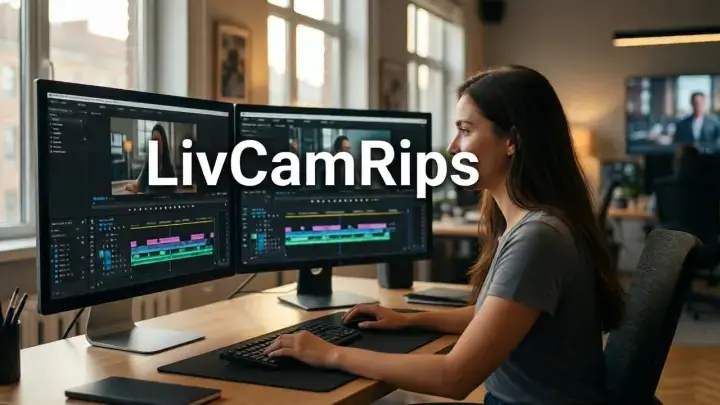
In certain cases, livcamrips are used for content editing. Recorded streams can be trimmed, enhanced, or repurposed into shorter clips suitable for different platforms.
While these uses highlight the practical side of livcamrips, it is important to approach them responsibly.
Ethical and Legal Considerations
One of the most important aspects of livcamrips is the ethical and legal dimension. Recording and sharing live content is not always straightforward, especially when it involves other people’s work or private streams.
Consent plays a major role here. If a live stream is publicly available and intended for broad distribution, recording it may be acceptable in some contexts. However, if the content is private or restricted, capturing and sharing it without permission can lead to serious issues.
Ownership is another key factor. Content creators invest time and effort into producing live streams, and unauthorized distribution can affect their control over their work. Respecting intellectual property rights is essential in maintaining a fair digital environment.
There is also the issue of misuse. Livcamrips can sometimes be taken out of context or used in ways that harm the original creator. This highlights the need for responsible handling of recorded content.
Understanding these considerations helps individuals make better decisions when interacting with live media.
Benefits of Livcamrips When Used Responsibly
When handled correctly, livcamrips can offer several benefits. One of the main advantages is accessibility. Recorded content allows people to engage with material at their own convenience, removing the limitations of real-time viewing.
Another benefit is knowledge sharing. Educational streams, tutorials, and discussions can reach a wider audience when they are recorded and shared appropriately. This helps spread valuable information beyond the original live session.
Livcamrips also support content improvement. Creators can review their past streams to identify strengths and weaknesses, leading to better quality content in the future.
Additionally, recorded streams can be repurposed into different formats, such as highlights, summaries, or social media clips. This extends the life of the original content and increases its overall impact.
These benefits show that livcamrips can be useful when approached with awareness and respect.
Challenges Associated with Livcamrips
Despite its advantages, livcamrips also comes with several challenges. One of the biggest issues is unauthorized distribution. When content is shared without permission, it can lead to conflicts between creators and users.
Another challenge is quality control. Recorded streams may lose clarity or context when extracted, leading to misunderstandings or misinterpretation.
There is also the risk of overexposure. When content is widely distributed without control, it may reach audiences that were not intended by the original creator.
Technical challenges can also arise. Recording live streams requires proper tools and stable systems, and not all recordings maintain the original quality.
These challenges highlight the importance of careful handling and responsible usage.
The Future of Livcamrips in Digital Media
As technology continues to advance, the role of livcamrips is likely to evolve. With the increasing popularity of live streaming platforms, the demand for recorded content will continue to grow.
Future developments may include better tools for content management, allowing creators to control how their streams are recorded and shared. Platforms may also introduce features that enable official recording and distribution, reducing the need for unofficial livcamrips.
At the same time, awareness around digital ethics is expected to increase. Users are becoming more conscious of content ownership and responsible sharing, which could lead to more respectful use of recorded media.
Livcamrips will likely remain part of the digital landscape, but its role will depend on how individuals and platforms choose to handle it.
Frequently Asked Questions (FAQs)
What is livcamrips in simple terms?
Livcamrips refers to recorded or extracted content taken from live camera streams, which can be saved or shared for later viewing.
Is livcamrips legal to use?
It depends on the context. Recording public content may be acceptable in some cases, but sharing private or restricted streams without permission can lead to legal issues.
Why do people use livcamrips?
People use livcamrips to save live content, share it with others, analyze it, or repurpose it into different formats.
Can livcamrips benefit content creators?
Yes, when used responsibly. Creators can review recorded streams to improve their content and reach a wider audience.
What are the risks of using livcamrips?
The main risks include unauthorized sharing, ethical concerns, and potential misuse of content.
How can livcamrips be used responsibly?
By respecting content ownership, obtaining permission when necessary, and using recorded material in a fair and ethical way.
Final Thoughts
Livcamrips reflects a broader shift in how people interact with live digital content. It highlights the transition from real-time experiences to flexible, on-demand access. While it offers convenience and new opportunities, it also requires careful consideration of ethical and legal aspects.
Understanding livcamrips is not just about knowing what the term means; it is about recognizing its place in the modern digital world. By approaching it responsibly, users can make the most of its benefits while avoiding potential issues.
As digital media continues to evolve, concepts like livcamrips will remain relevant, shaping how content is created, shared, and experienced online.
For More Visits: Dailymagazine