

 English































































Messeregge: Meaning, Uses, Benefits and How It Works

What Is Messeregge?
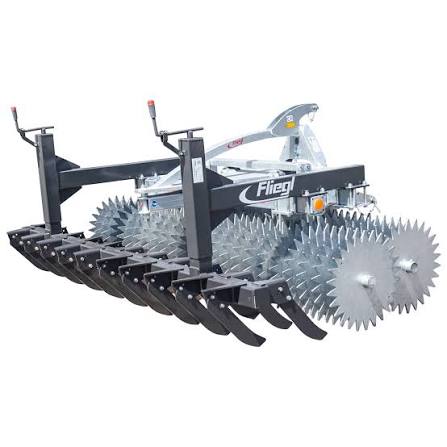
Messeregge is a German agricultural term associated with specialized soil-working equipment used in farming. In English, it is commonly understood as a knife harrow or blade harrow, although German-English dictionary terminology also translates it as a scarifier. The equipment belongs to the broader category of agricultural implements designed to work the soil surface and support field preparation.
The term is particularly relevant to agricultural machinery because it describes an implement or working attachment that uses knife-like working elements. These components help perform soil preparation operations before planting or as part of a larger cultivation process.
Understanding Messeregge requires looking beyond its unusual name. It is important to understand what the equipment does, how it fits into modern farming operations, and why different agricultural tools are designed for different soil conditions.
A Messeregge should not be confused with a conventional plough or every other type of harrow. Although these machines may share some agricultural purposes, their construction and working methods can differ considerably.
For farmers, agricultural machinery operators, and readers interested in modern cultivation techniques, learning about Messeregge provides a useful introduction to specialized soil-preparation equipment.
Understanding the Meaning and Origin of Messeregge
Messeregge comes from German agricultural vocabulary. Its meaning becomes easier to understand when considering the words associated with its construction.
The German word Messer means knife, while Egge refers to a harrow, an agricultural implement used for working the soil.
Together, these terms point toward a knife-equipped harrow or blade-based soil-working implement.
The German dictionary Duden describes an Egge as agricultural equipment used for loosening and crumbling the upper soil layer and controlling weeds. This provides useful linguistic context for understanding the agricultural purpose of Messeregge. Duden+1
Why Is the Term Important in Agriculture?
Agricultural machinery is developed to perform specific operations in the field. Some machines turn the soil, others break compacted layers, and some focus on preparing the surface for planting.
Messeregge belongs to the specialized equipment associated with surface soil preparation.
Its name is useful because it distinguishes this type of equipment from other harrowing systems. Rather than referring to every agricultural machine that works the ground, it identifies a particular knife-equipped configuration.
However, the term should not be treated as the name of one standardized machine. Manufacturers can offer different configurations, dimensions, and working arrangements.
For example, Kerner Maschinenbau identifies Messeregge as one of the available front-tool configurations for its TORON front packer. Kerner Maschinenbau+1
What Is a Messeregge Used For?
The main agricultural purpose of a Messeregge is associated with working and preparing the upper soil layer.
Depending on its design and the equipment with which it is combined, it can contribute to several field-preparation activities.
1. Preparing the Soil Surface
Before planting, farmers often need to prepare the field so that subsequent agricultural operations can be completed effectively.
An uneven field surface can create difficulties for machinery and make consistent planting operations more challenging.
Soil-working attachments help address these conditions by disturbing and preparing the upper layer.
The exact result depends on the working elements, machine configuration, soil characteristics, and operating conditions.
2. Breaking Soil Clods
Large soil clods can make seedbed preparation difficult.
A suitable soil-working implement can help break or reduce these clods, creating a more manageable surface.
The objective is not necessarily to turn the entire field into extremely fine soil. Good soil structure remains important for agricultural productivity.
3. Supporting Seedbed Preparation
Seedbed preparation is an important stage between initial field cultivation and planting.
Farmers aim to create conditions that allow seeds to be placed consistently and establish suitable contact with the surrounding soil.
A Messeregge configuration may contribute to this preparation process when selected for the specific field requirements.
4. Working With Other Agricultural Equipment
Modern agricultural operations frequently combine different implements.
For example, a front-mounted soil-working attachment may be used alongside a roller or another implement.
This arrangement allows different operations to take place during the same tractor pass.
Kerner’s TORON documentation describes a system that combines soil crumbling, leveling, and reconsolidation. It also lists Messeregge as one of its available front-tool configurations. Kerner Maschinenbau+1
How Does a Messeregge Work?
Understanding how a Messeregge works requires looking at its working elements and how they interact with the soil.
Unlike a machine that relies entirely on deep soil inversion, a knife-style harrow configuration is associated with working the upper soil layer.
The specific working action depends on the implement’s construction.
The Basic Working Process
A typical soil-preparation operation involving a knife-equipped implement can be understood through the following stages:
- Tractor movement: The tractor moves across the field while carrying or pulling the attached equipment.
- Soil engagement: The working elements come into contact with the upper soil layer.
- Surface disturbance: The knife-like components engage the soil and disturb its existing surface structure.
- Soil preparation: Depending on the configuration, the operation can help reduce clods and prepare the surface for subsequent agricultural work.
- Further processing: A roller or another implement may follow to improve leveling or reconsolidate the prepared soil.
These stages provide a general explanation rather than a universal operating procedure. Actual operation depends on the manufacturer’s design and instructions.
The Importance of Working Depth
Working depth is one of the most important considerations when operating agricultural soil-preparation equipment.
Working too deeply can create unnecessary soil disturbance, while an unsuitable shallow setting may not achieve the intended result.
There is no single working depth that applies to every Messeregge.
For example, Kerner’s TORON product documentation lists a working-depth range of 0–10 cm for its specified front-tool system. This is a manufacturer-specific specification, not a universal measurement for all Messeregge equipment. Kerner Maschinenbau+1
Main Components of Messeregge Equipment
The construction of a Messeregge can vary between manufacturers. However, understanding the general components of agricultural soil-working equipment helps explain how these systems operate.
1. Main Frame
The frame provides the structural foundation for the equipment.
It supports the working elements and connects the implement to the tractor or another agricultural machine.
A strong frame is important because agricultural equipment experiences repeated mechanical loads while operating on uneven ground.
2. Knife or Blade Elements
The knife-like working components are central to understanding the Messeregge concept.
Their shape, arrangement, and positioning influence how the equipment engages with the soil.
Different designs may provide different working characteristics.
It is important not to assume that every Messeregge has identical blades or uses the same arrangement.
3. Mounting System
The mounting system connects the implement to the tractor or another piece of machinery.
Some configurations are designed for front mounting, while others may form part of a larger equipment arrangement.
The correct mounting system depends on the specific machine.
4. Depth Adjustment
Some agricultural implements include mechanical or hydraulic depth-adjustment systems.
These systems allow operators to configure the equipment according to the manufacturer’s instructions and the intended field operation.
The adjustment mechanism is particularly important because soil conditions can change significantly between fields.
5. Supporting Equipment
A Messeregge may be integrated into a larger soil-preparation system.
Depending on the design, supporting equipment can include rollers, packers, or other cultivation implements.
These components may perform different functions during the same operation.
Benefits of Using Messeregge in Agriculture
Specialized agricultural equipment is valuable when its working characteristics match the needs of a particular field operation.
A Messeregge configuration can provide several practical advantages in suitable conditions.
More Controlled Surface Preparation
One potential advantage of specialized soil-working equipment is the ability to target a particular part of the soil profile.
Farmers do not always need deep cultivation. Sometimes the objective is to prepare the surface for the next operation.
Using an appropriate implement can help avoid unnecessary disturbance.
Compatibility With Combined Operations
Some modern agricultural machines allow several operations to be performed during one tractor pass.
For example, a front packer with additional working elements can combine different stages of soil preparation.
This can help organize field operations more efficiently when the equipment is correctly matched to the tractor and field conditions.
Improved Field Leveling
An appropriately selected soil-working arrangement can contribute to a more even field surface.
This is useful when uneven ground creates difficulties for subsequent machinery or planting operations.
The actual result depends on the existing field condition and the equipment configuration.
Flexible Equipment Configurations
Agricultural machinery manufacturers often provide different attachments to accommodate different farming requirements.
Kerner’s TORON documentation, for instance, identifies Messeregge, Federzinkenegge, and Crossboard as different equipment options.
This demonstrates that farmers may choose between different front-tool arrangements rather than relying on one configuration for every situation. Kerner Maschinenbau+1
Messeregge Compared With Other Agricultural Implements
Messeregge is easier to understand when compared with other commonly used soil-preparation tools.
Although these implements may be used during similar stages of farming, they do not necessarily perform identical functions.
| Agricultural implement | General purpose |
|---|---|
| Messeregge | Knife-equipped soil-working configuration |
| Disc harrow | Cuts and mixes soil using rotating discs |
| Tine harrow | Works soil using projecting tines |
| Cultivator | Loosens and disturbs soil using working tools |
| Plough | Turns and inverts the soil |
| Roller | Levels, firms, or consolidates soil |
Messeregge vs. Disc Harrow
A disc harrow uses rotating discs to cut through and move soil.
Its operation differs from that of a knife-equipped harrow configuration.
Disc harrows are commonly used for different cultivation requirements, including cutting through crop residues and working previously cultivated ground.
A Messeregge configuration should not automatically be considered a replacement for a disc harrow.
The correct selection depends on the intended operation and soil conditions.
Messeregge vs. Tine Harrow
A tine harrow uses projecting tines to engage with the soil.
Tine-based equipment can perform different surface-working operations depending on tine design and arrangement.
A Messeregge is distinguished by its association with knife-like working elements.
Both belong to the wider family of soil-working equipment, but their mechanical actions can differ.
Messeregge vs. Cultivator
Cultivators are used for loosening and working soil.
They are available in different configurations, from shallow-working machines to equipment designed for deeper cultivation.
A knife harrow and a cultivator may overlap in some field-preparation objectives, but they should not be treated as identical machines.
Messeregge vs. Plough
A plough is designed primarily to cut, lift, and turn the soil.
This creates a substantially different type of soil disturbance compared with equipment intended for more surface-oriented operations.
The choice between these implements depends on the agricultural objective, existing soil condition, and cultivation system.
Factors That Affect Messeregge Performance
The performance of agricultural machinery depends on more than the equipment itself.
Several environmental and operational factors influence the quality of field preparation.
Soil Type
Different soils behave differently during cultivation.
Clay-heavy soil, sandy soil, and loamy soil can respond differently to the same machinery settings.
For this reason, operators should consider soil characteristics before choosing an implement.
Soil Moisture
Soil moisture has a major influence on cultivation results.
Excessively wet soil may smear or compact under machinery. Very dry and hard soil may also be difficult to work effectively.
Operating conditions should therefore be assessed before starting field preparation.
Operating Speed
Tractor speed can influence how an implement interacts with the soil.
The appropriate operating speed depends on the machine’s design, working elements, and manufacturer’s recommendations.
A higher speed does not automatically produce better results.
Working Depth and Adjustment
Incorrect settings can affect soil disturbance and the quality of the prepared surface.
Operators should use the adjustment range specified in the machine’s operating manual.
Previous Field Conditions
The condition of the field before cultivation also matters.
Fields with heavy plant residues, large clods, uneven surfaces, or previous compaction may require different preparation methods.
The equipment should be selected according to the actual agricultural requirement rather than its name alone.
Maintenance and Safety Considerations
Agricultural equipment operates in demanding environments. Regular inspection and proper maintenance are important for reliable operation.
A Messeregge configuration should be maintained according to its manufacturer’s instructions.
Inspect the Working Elements
Knife-like components can experience wear during repeated field operations.
Operators should inspect them for visible damage, excessive wear, deformation, and loose fittings.
Damaged components may affect the equipment’s working characteristics.
Check the Frame and Connections
The frame and mounting connections should be inspected regularly.
Loose bolts, damaged mounting points, or structural problems should be addressed before further operation.
Follow Lubrication Requirements
Where the machine includes moving or adjustable components requiring lubrication, the manufacturer’s recommended maintenance schedule should be followed.
Not every configuration has identical lubrication requirements.
Observe Operating Safety
Agricultural machinery can create serious hazards during operation and maintenance.
Operators should:
- Read the manufacturer’s operating manual.
- Keep people away from moving machinery.
- Stop the tractor and secure the equipment before inspection.
- Follow the correct procedure before performing maintenance.
- Use appropriate protective equipment.
- Check mounting connections before field operation.
Safety procedures should always take priority over convenience or operating speed.
How to Choose the Right Messeregge Equipment
Selecting agricultural equipment requires understanding the work that needs to be completed.
The most expensive or largest machine is not necessarily the most appropriate choice.
Farmers should consider several factors before purchasing or configuring a Messeregge.
Identify Your Soil Preparation Requirements
Start by determining the main problem in the field.
Is the objective to prepare the surface, reduce clods, improve leveling, or combine several operations?
Identifying the requirement makes it easier to select suitable equipment.
Check Tractor Compatibility
The implement must be compatible with the tractor’s mounting system and operating capacity.
Weight, working width, mounting arrangement, and other technical specifications should be checked before purchasing.
Compare Manufacturer Specifications
Different manufacturers may offer different configurations.
Compare:
- Working width.
- Equipment weight.
- Working-element arrangement.
- Depth-adjustment system.
- Mounting compatibility.
- Maintenance requirements.
- Replacement-part availability.
These details are more useful than relying on the equipment name alone.
Consider Long-Term Maintenance
Agricultural machinery is a long-term investment.
Replacement components, servicing requirements, and manufacturer support should be considered before making a purchase.
A machine that is difficult to maintain may create additional operational challenges.
The Role of Messeregge in Modern Agriculture
Modern agriculture increasingly relies on specialized machinery to make field operations more organized and efficient.
Farmers must manage soil conditions, planting schedules, machinery availability, and operational costs.
This makes equipment selection an important part of agricultural planning.
Messeregge represents one specialized approach to soil preparation. Its importance is not that it replaces every other cultivation machine, but that it offers a particular working configuration that may be useful in suitable farming systems.
Manufacturers such as Kerner Maschinenbau demonstrate how specialized front tools can be incorporated into larger agricultural systems.
The company’s TORON equipment combines several soil-preparation functions and offers different front-tool configurations, including Messeregge. Kerner Maschinenbau+1
This reflects a broader development in agricultural machinery: equipment is increasingly designed around combinations of functions rather than isolated operations.
However, machinery alone cannot guarantee better agricultural results. Good decisions about soil conditions, machine settings, timing, and maintenance remain essential.
Common Misconceptions About Messeregge
Because Messeregge is an uncommon term in English, it can be misunderstood.
Here are some important points to clarify.
Messeregge Is Not a Messaging Application
The word should not automatically be associated with digital communication or social networking.
Its documented dictionary and agricultural machinery usage connects it with farming equipment.
Every Messeregge Is Not the Same
Different manufacturers may use different constructions and configurations.
There is no reason to assume that every machine described by this term has identical dimensions, working depth, weight, or components.
Messeregge Does Not Replace Every Harrow
A knife-equipped harrow configuration serves particular purposes.
Disc harrows, tine harrows, and other soil-working implements have their own functions.
The right choice depends on the field and intended operation.
More Soil Disturbance Does Not Always Mean Better Preparation
Agricultural soil management requires balancing cultivation with the preservation of soil structure.
The objective should be to achieve the required field condition without unnecessary disturbance.
Frequently Asked Questions About Messeregge
1. What does Messeregge mean in English?
Messeregge is a German agricultural term associated with a knife harrow or blade harrow. German-English dictionary terminology also translates it as scarifier.
2. Is Messeregge a type of agricultural machinery?
Yes. It is documented in agricultural machinery terminology and manufacturer documentation. For example, Kerner Maschinenbau lists Messeregge as a front-tool configuration for its TORON equipment.
3. What is the main purpose of Messeregge?
Its general purpose is associated with soil-surface preparation and cultivation. The exact operation depends on the machine’s design and configuration.
4. Can Messeregge be attached to a tractor?
Yes. Manufacturer documentation shows Messeregge as an available configuration within a tractor-mounted front-packer system. However, mounting arrangements vary between machines.
5. What is the difference between Messeregge and a disc harrow?
A Messeregge is associated with knife-like working elements, while a disc harrow uses rotating discs. Their mechanical actions and appropriate applications differ.
6. Does Messeregge have a fixed working depth?
No universal working depth applies to every Messeregge. Kerner lists 0–10 cm for its specified TORON front-tool configurations, but other machines may have different specifications.
7. Is Messeregge suitable for every type of soil?
Not necessarily. Soil texture, moisture, existing field conditions, and equipment design all influence whether a particular configuration is suitable.
8. Does Messeregge help with seedbed preparation?
It can contribute to seedbed preparation when used in an appropriate agricultural setup. The final result depends on the soil condition and other equipment involved.
9. Is Messeregge the same as a cultivator?
No. Although their agricultural applications may overlap, they are different equipment categories with potentially different working mechanisms and configurations.
10. Why is Messeregge important in modern farming?
It represents a specialized soil-working option that can be integrated into broader field-preparation systems. Its usefulness depends on matching the equipment to the farmer’s actual requirements.
Conclusion
Messeregge is an interesting example of specialized agricultural terminology that becomes easier to understand when examined through its practical applications. It is associated with knife-equipped harrow systems used in soil preparation and farming operations.
Its role is connected with working the upper soil layer, supporting field preparation, and integrating with other agricultural implements.
Understanding its construction, working conditions, maintenance requirements, and limitations helps farmers make more informed equipment decisions.
Most importantly, Messeregge should be viewed as one specialized option within the wider agricultural machinery industry, not as a universal replacement for ploughs, cultivators, or other harrows.
Choosing the right equipment always depends on the field, the soil, the intended operation, and the manufacturer’s technical recommendations.
For More Visits : https://dailymagazine.blog/